
Journalists were riding an unfamiliar wave of glamour and public respect in the mid-1970s. In the scorching summer of 1976, Hollywood released All the President’s Men, with superstars Dustin Hoffman and Robert Redford playing Washington Post reporters Bob Woodward and Carl Bernstein. Depicting the pair’s role in bringing down President Richard Nixon over Watergate, the neo-noir film went big on secret codes and meetings in underground car parks.
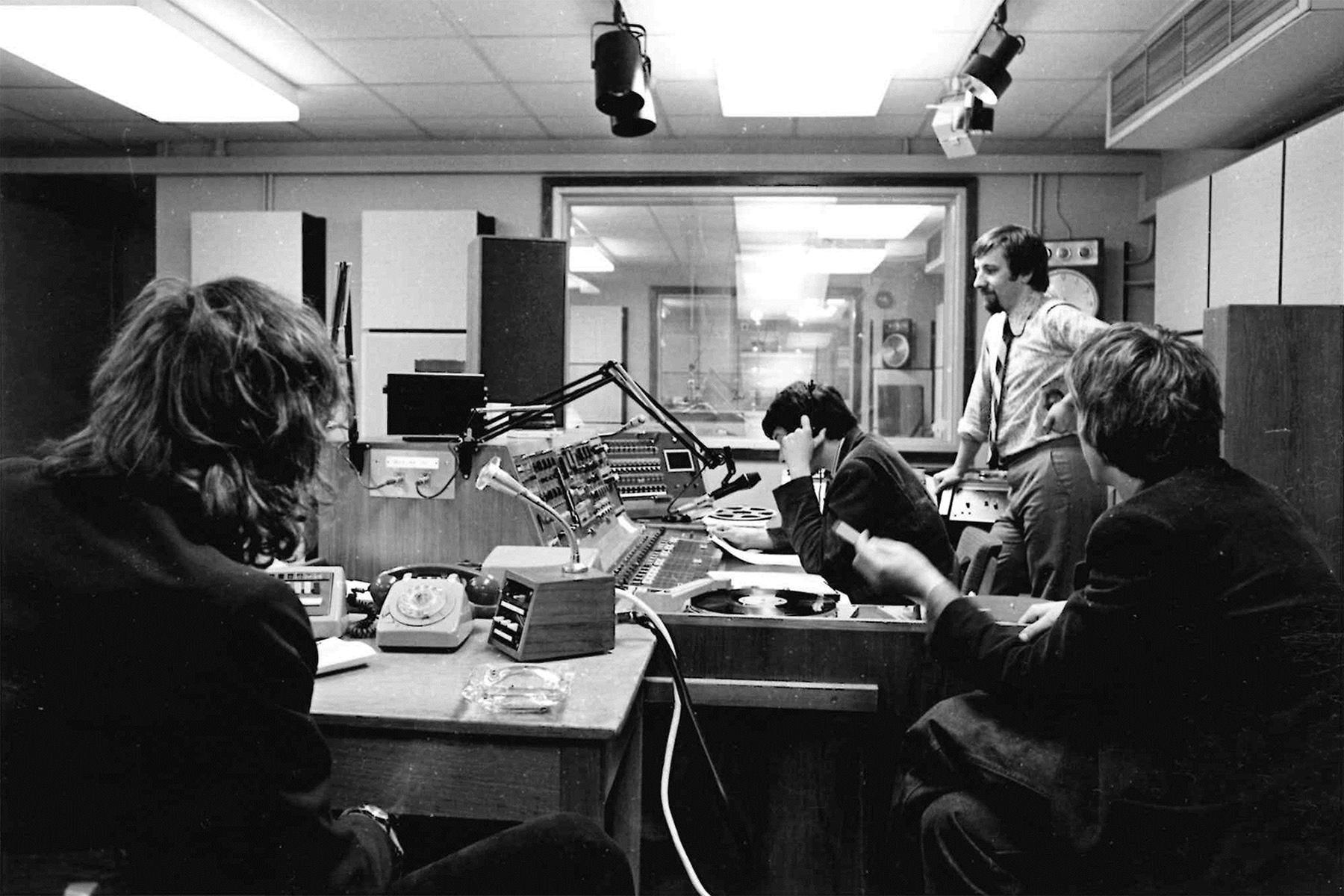
It was into this promising landscape that City launched its Diploma of Journalism.
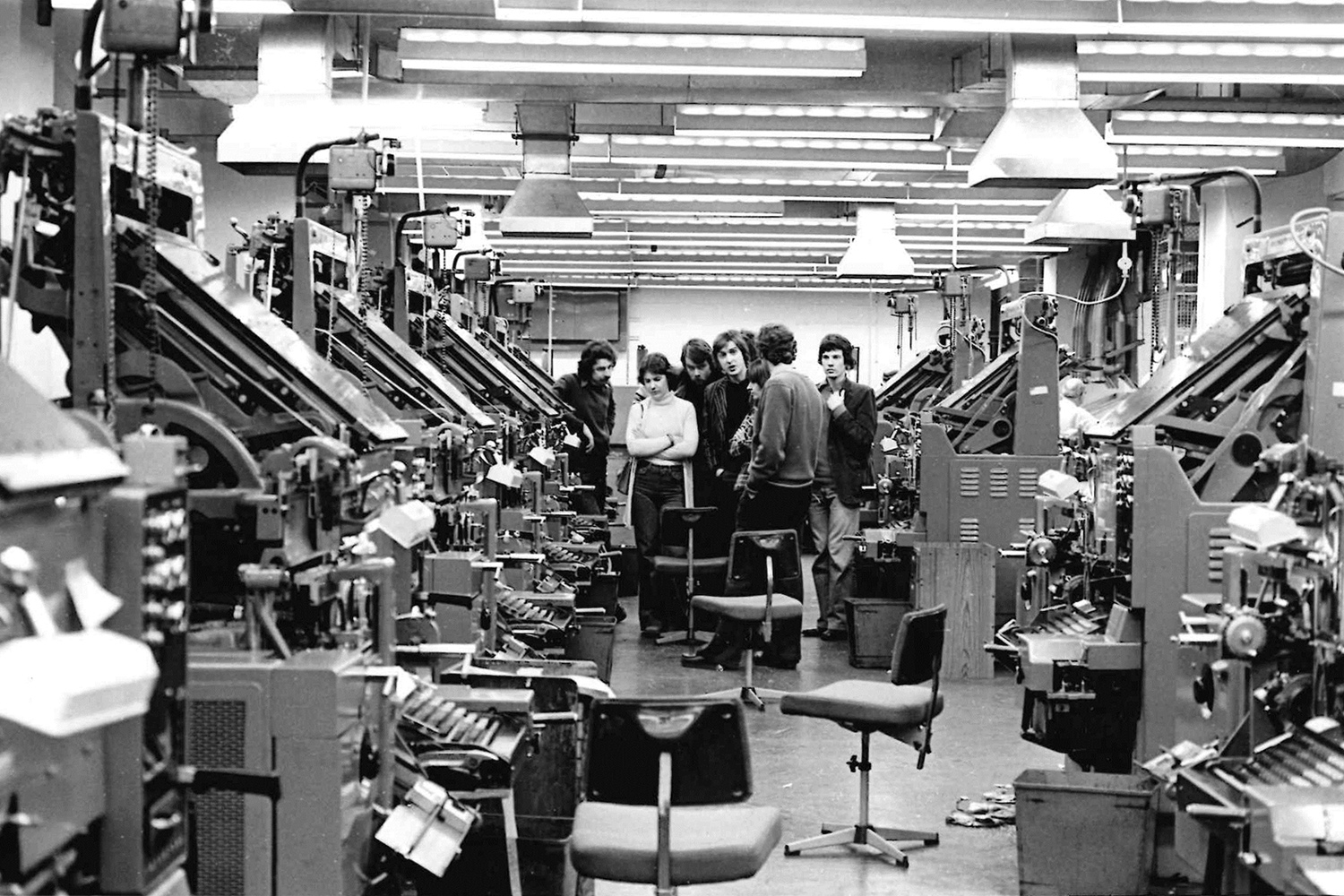
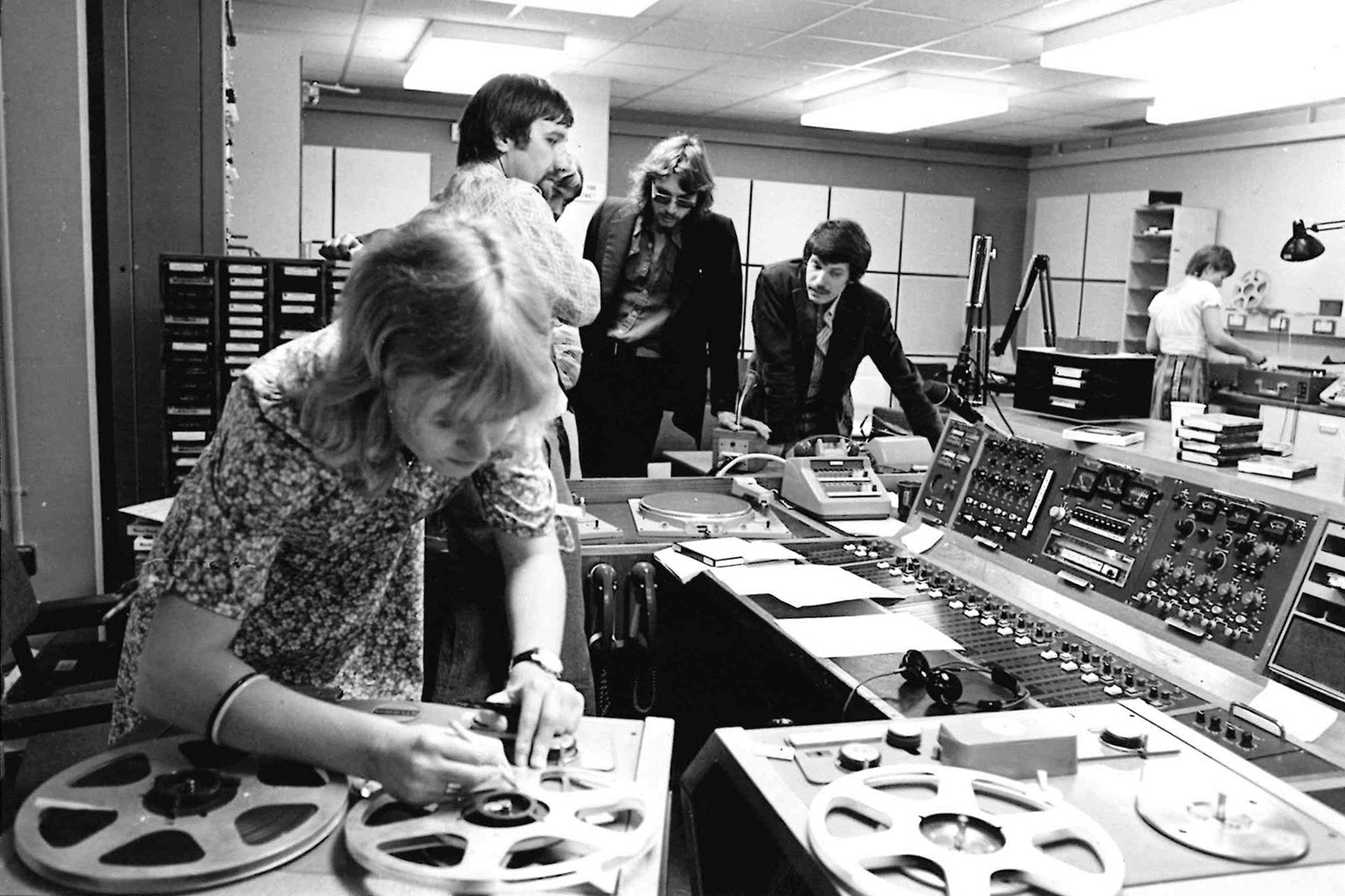
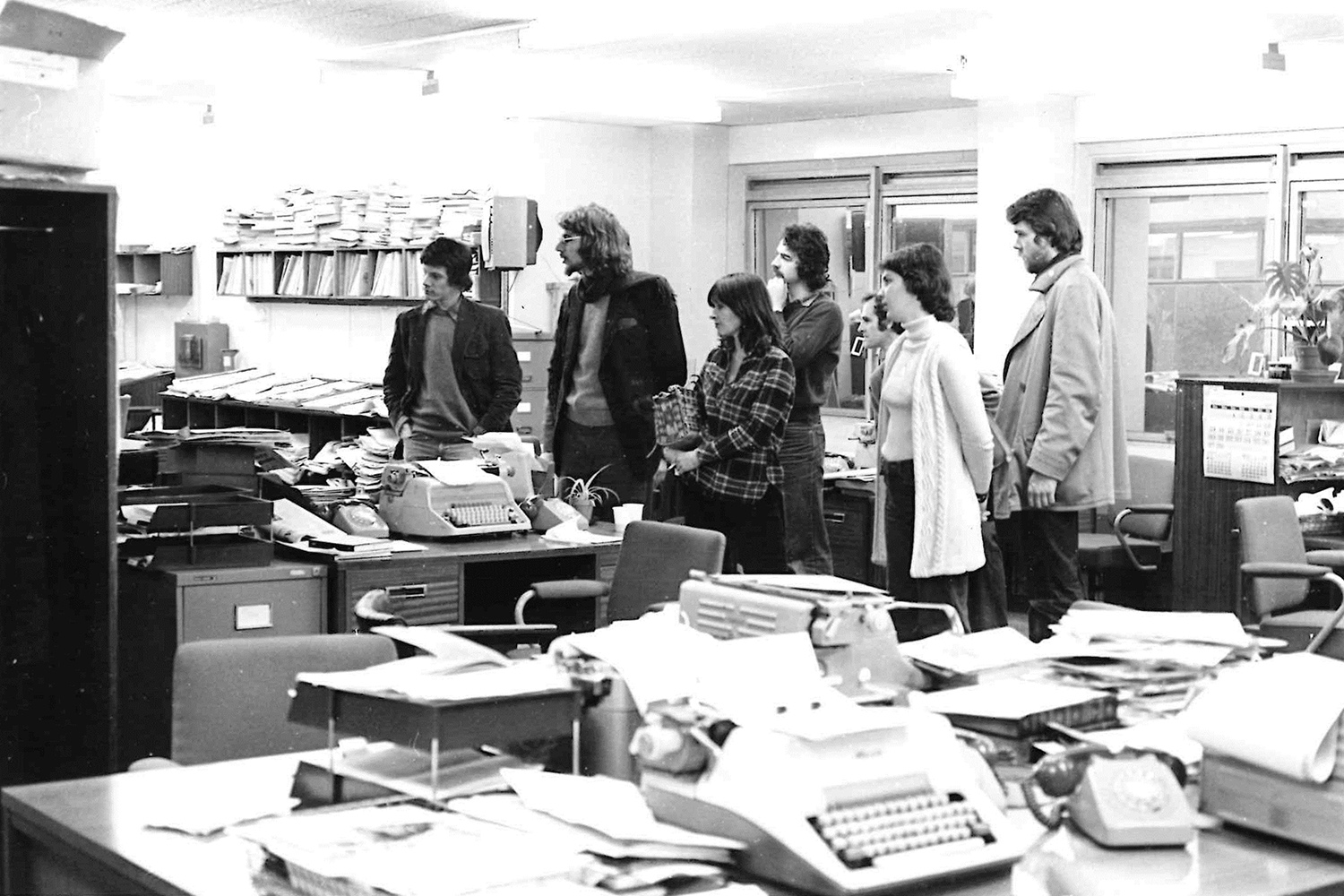
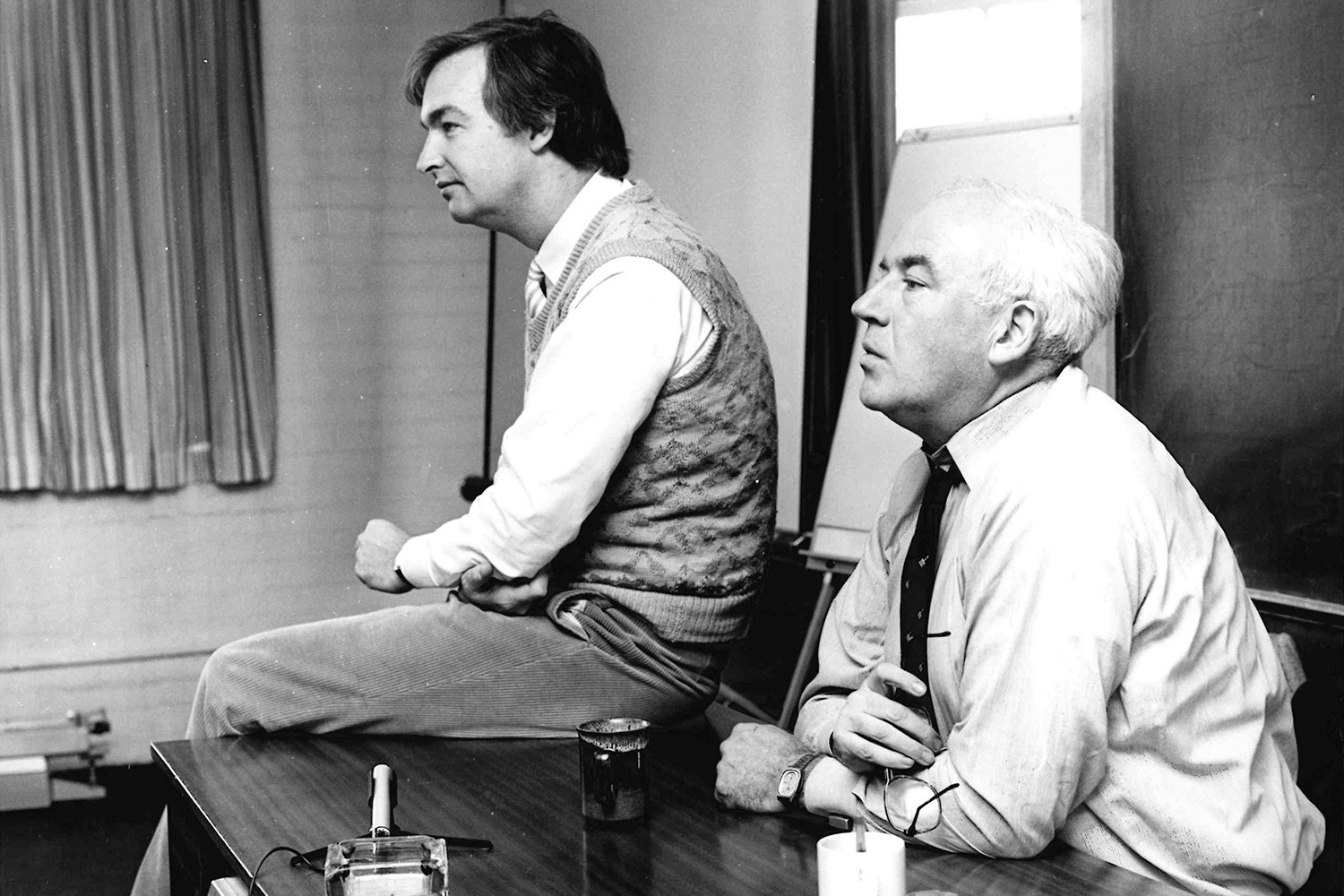
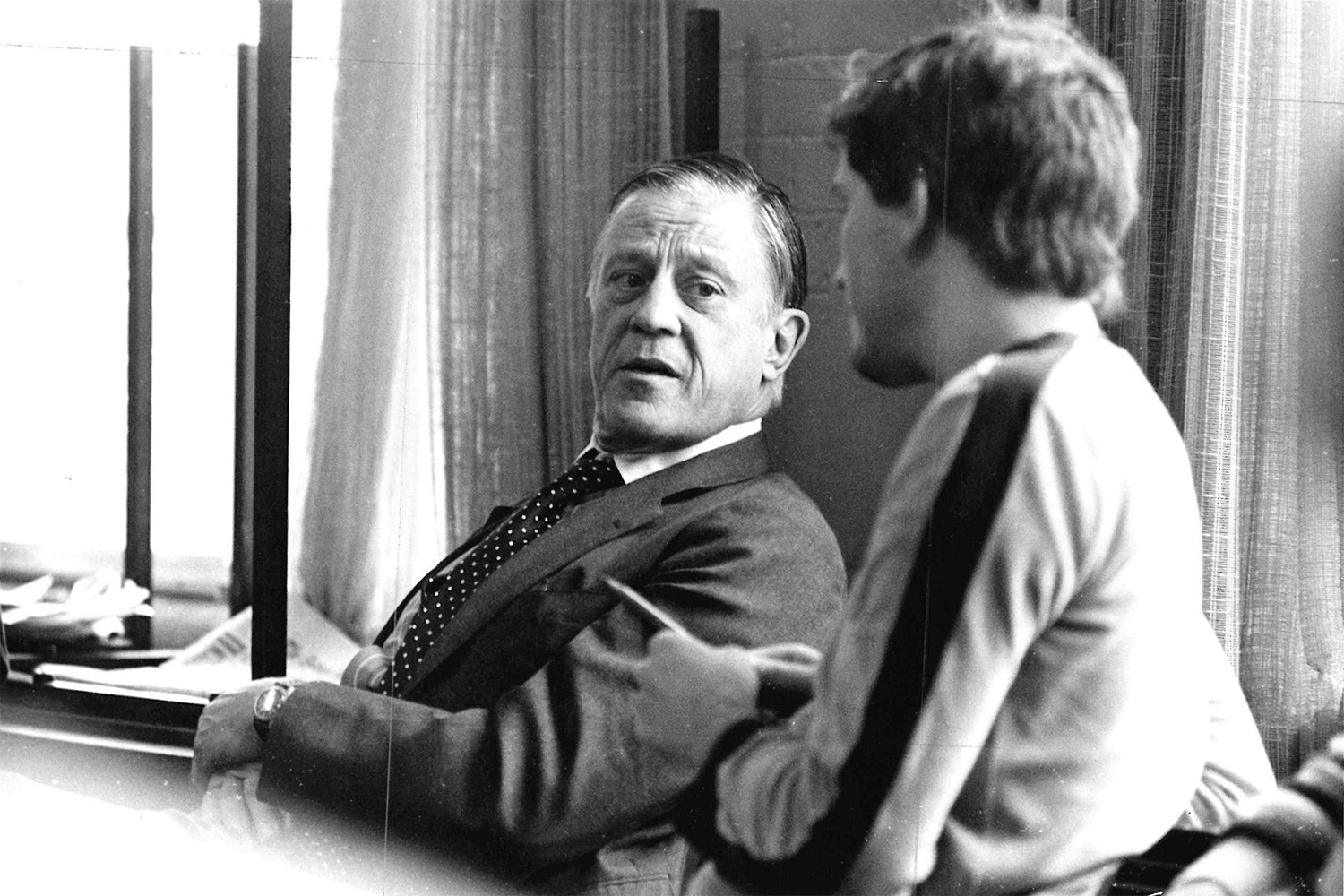
The public respect may have been fleeting, in Britain and the U.S. at least, but the Department of Journalism can enjoy its 50th anniversary with a sense of satisfaction that much of today’s media landscape has been shaped and populated by City St George’s alumni. High-profile alumni include Chris Mason and Faisal Islam, the BBC’s political and economics editors respectively, Rolling Stone features editor Hannah Ewens and Dolly Alderton, the screenwriter, podcaster and The Sunday Times columnist.
They have been involved in some of the biggest stories in recent years – including the Epstein scandal, the #Metoo movement and the pandemic lockdown parties at Number 10 which did much to bring down Boris Johnson.
The international status and reputation of the department is also underlined by the roll call of media titans who have delivered the James Cameron Memorial Lecture, which is named after the Scottish global affairs journalist who died in 1985. Ben Bradlee, then executive editor of the Washington Post, delivered the inaugural lecture in 1986 and he has been followed by luminaries such as Lyse Doucet, Michael Grade, Joan Bakewell, Sir Max Hastings, Gary Younge and Jenny Ambrasky.
Professor Richard Keeble, who taught journalism at City for 19 years, says the University has provided models of excellence to the media industry. He joined the department in 1984 to co-launch the MA International Journalism and the first undergraduate programme a few years later.
“There is an incredible range of relatively accessible sources of information available now from around the world, but the basic, fundamental principles of journalism are the same. It’s about immersing oneself in a community. Journalism is a way of life. It’s about a commitment to your community and the promotion of a responsible public sphere.”
Professor Karen Fowler-Watt, a former BBC journalist who arrived from Bournemouth University to take up the mantle of Head of Department last summer, agrees that links with industry are crucial.
“The north star of the department is the employability of our graduates. We have a well-founded and sustained reputation for securing graduates jobs, which, in an era of seismic change, remains true. Our close, dynamic relationship with industry and alumni is key, but also the mindset of the journalism team, as we all have industry backgrounds.”
Professor Keeble, meanwhile, recalls undergoing something of a crash course himself in launching the MA International Journalism.
“It was an extraordinary challenge because very rapidly we had these very experienced and very intelligent journalists. They came from around 35 countries during my seven years teaching on the programme. And my gosh, it was a terrific learning experience for me.”
The offer to students has grown and evolved to reflect an industry in a state of semi-permanent technological revolution for much of the last 50 years.
As well as two undergraduate programmes, students can choose from eight MA courses – including hardy perennials such as Broadcast Journalism, International Journalism and Investigative Journalism, and newcomers such as the Podcasting. One stalwart, Newspaper Journalism, has been rebadged and redefined this year as a multi-platform MA Journalism that teaches core newspaper reporting skills while allowing students to ‘build their own degree’.
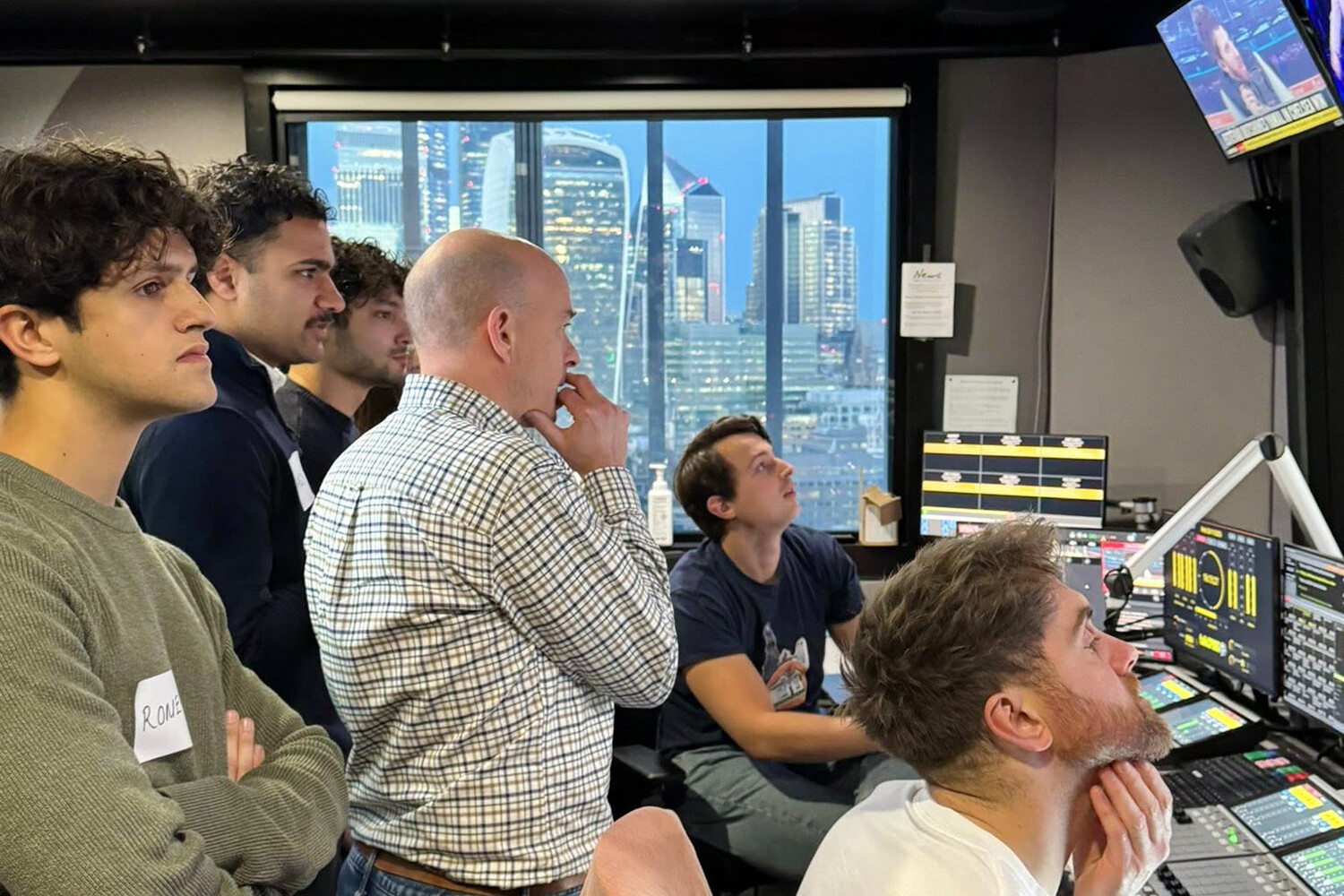
Sandy Warr, an award-winning broadcaster, almost fell into teaching at City St George’s after presenting her own research on how the UK’s broadcasters covered the 1997 funeral of Diana, Princess of Wales. She swiftly became the department’s first teacher of voice training and audio presentation on a part-time basis.
Now fulltime and teaching on the Broadcast and Podcasting MAs, Ms Warr has “just a little side hustle on LBC News on Saturday mornings”.
Fast-changing media consumption patterns are reflected in her recruitment interviews with prospective journalists.
“Our biggest job is getting students to improve their journalism literacy by reading, watching and listening to voices outside their bubble. We need them to understand there is more than one way of looking at a story. We equip them with the ethics, quality and standards that City St George’s embodies as a journalism department so they can earn a living.
“The conversation about how we stay ahead of the industry curve and future-proof our teaching is a vibrant one. We even ask ourselves in the department what journalism is now. We’ve secured funding to upgrade our broadcasting studios next summer. That’s part of a long-standing commitment to ensure the department keeps pace with the developments around web publishing, social media and blogs because that’s where a lot of the employment expansion is happening.
“We are running modules on using AI in news gathering and its place as a research methodology but in a university environment that is really fraught with difficulties, because students must be careful to avoid using AI in their essays.”
The department’s impressive research output includes Professor Emerita Lis Howell’s decade-long study of the proportion of women experts, reporters and presenters in news programmes. Leaders of major broadcasting organisations including the BBC and Sky praised the research. Deputy Director of BBC News and Current Affairs described the project as “incredibly valuable”.
Professor Fowler-Watt says: “The department has a very successful track record of producing research that has an impactful application to practice and we have given this work profile and a ‘home’ in our 50th year with the launch of the Centre for Journalism & Democracy. Our work around media freedom is timely and urgent as journalists increasingly come under attack.”
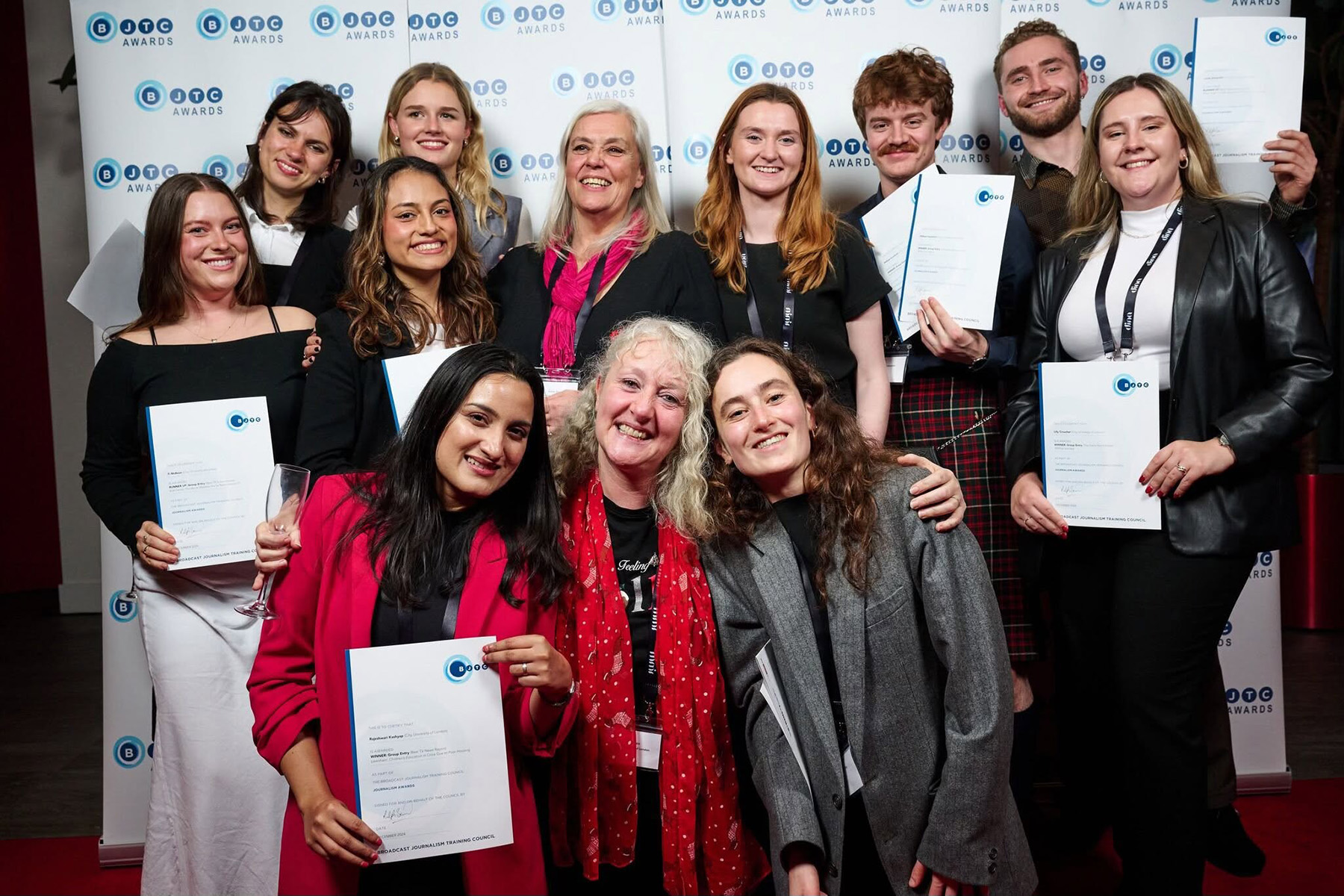
Dr Paul Lashmar, who guided the department through one of the toughest periods in its history – the Covid-19 Pandemic – more than 35 years after he first took its students to the coroner’s court, has also produced recent notable research. His mid-1980s flirtation with academia via the coroner’s courts was just a taster while he pursued his successful career on national papers. From 2001, however, Dr Lashmar navigated his way around a series of journalism schools before pitching up at City St George’s in 2017 – heading up the department two years later, just in time for the pandemic.
The pandemic provided Dr Lashmar with the opportunity to research the ties between a then-Conservative MP’s family and a Caribbean slavery plantation which will be part of the University’s next REF submission in 2029.
It was, however, a tough time.
Dr Lashmar explains: “An exemption in the government rules allowed us to carry on teaching practical skills onsite during lockdowns. It was immensely stressful and obviously students and academics could choose whether to come in but I think the students really appreciated the effort staff made. Our satisfaction scores certainly went up.”
Such heroism might not be the stuff of Hollywood movies but the department is clearly set to maintain its role in this singularly dynamic industry.