The European Commission has been busy in recent years with its efforts to make Europe greener, more affordable and more liveable.
In 2020, the Commission launched its ‘renovation wave’ initiative to help cut emissions from buildings and reach its plans for carbon net zero by 2050; starting by targeting the reduction of energy bills for those in the poorest households.
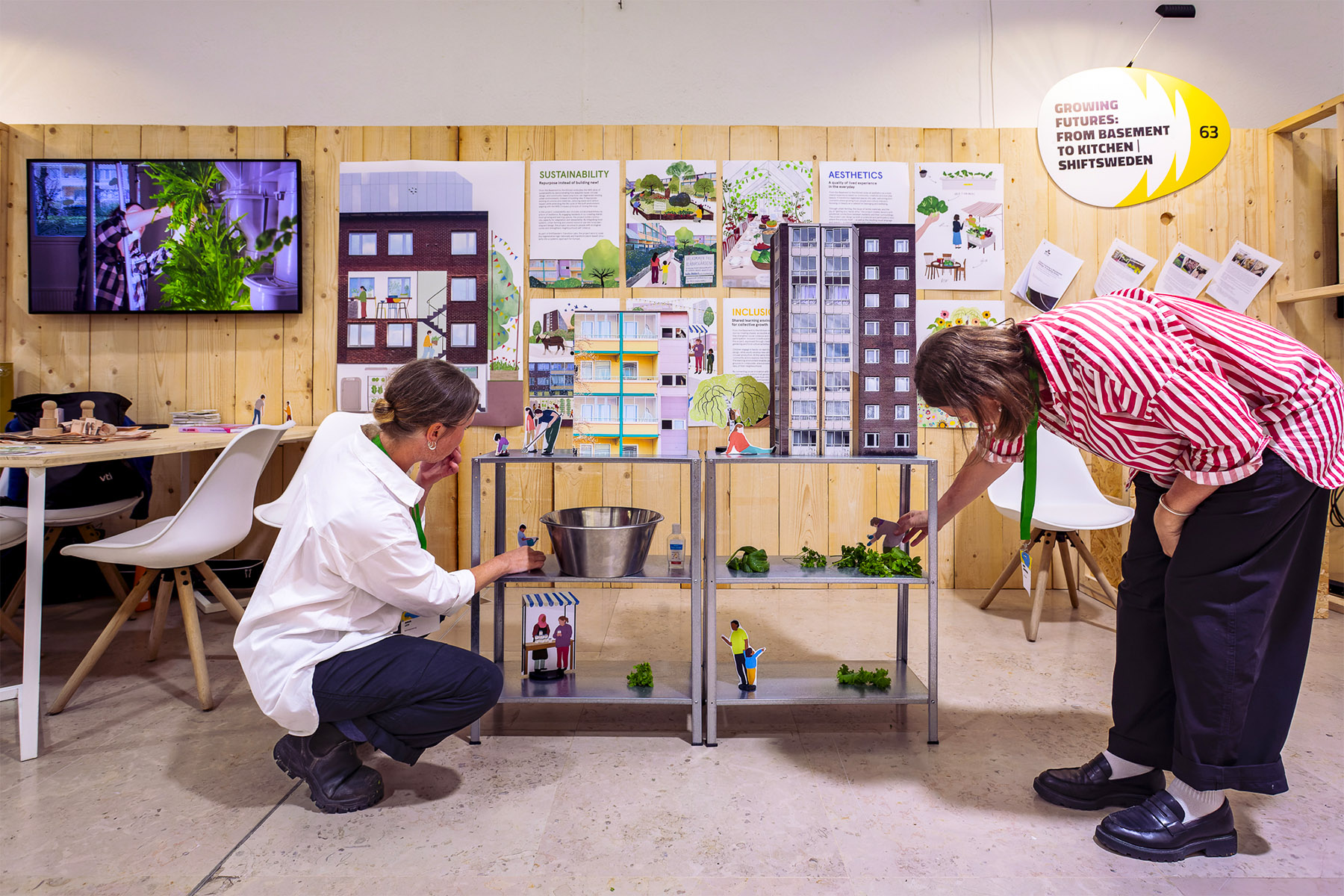
At the same time, it also launched the ‘new European Bauhaus’, a complementary initiative that invests in local community building projects which incorporate sustainable, cultural and inclusive design.
Named after the short-lived, yet hugely influential German ‘Bauhaus’ design school of the 1920s to 30s, the latter initiative seeks to replicate the school’s core mission of merging creative design, craft and technology where form follows function to shape a new societal standard of design across Europe.
REMADE: Harnessing Horizon Europe funding to transform sustainable communities
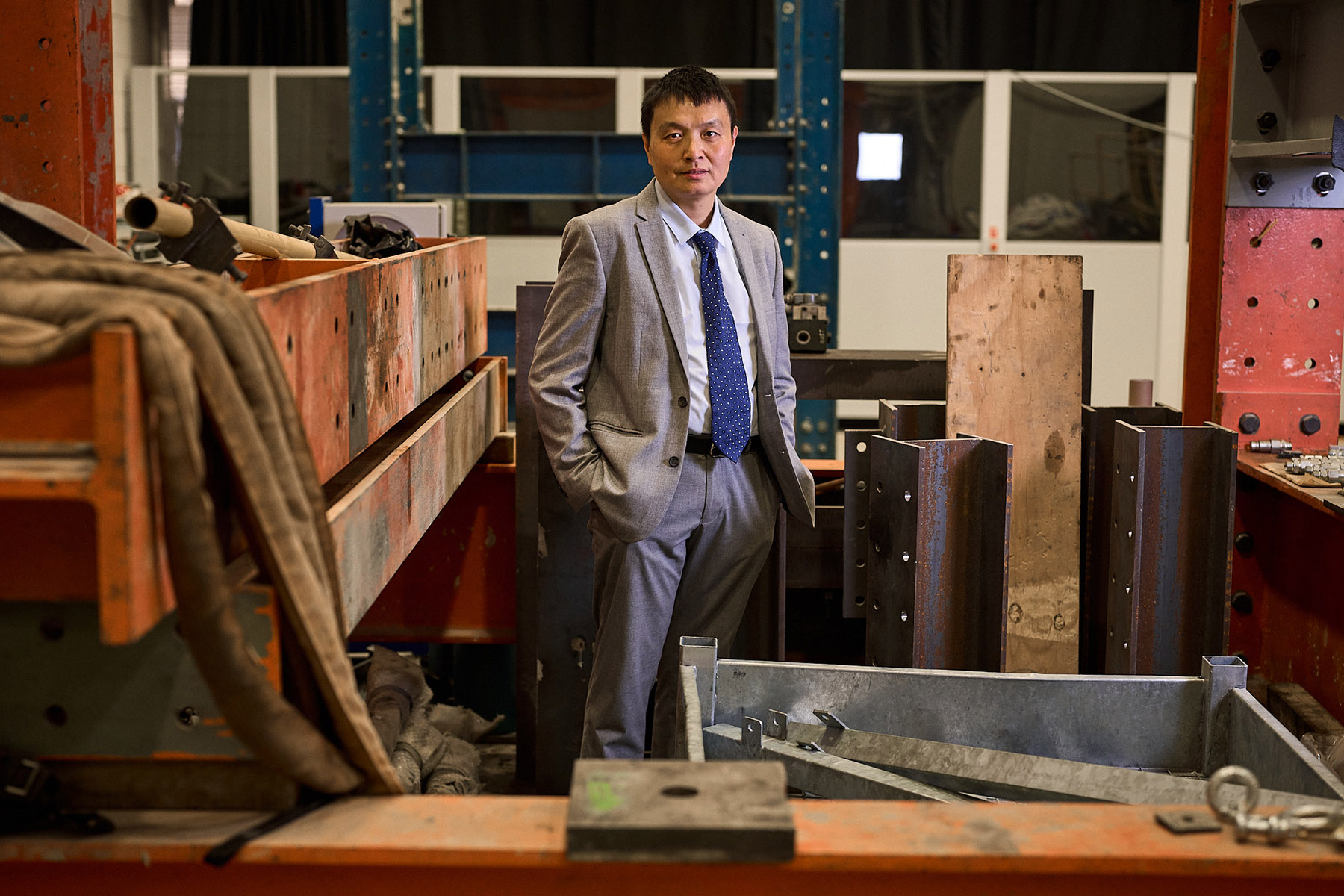
Dr Feng Fu is Senior Lecturer in Structural Engineering at the School of Science & Technology at City St George’s, University of London. Last year, he answered a Horizon Europe funding call to support these building initiatives for what the Commission calls ‘a research agenda for a beautiful, inclusive and sustainable transformation of neighbourhoods’.
While the UK left the European Union in 2022, Horizon Europe – the EU’s funding programme for research and innovation –recognises the UK as an official associated country, meaning UK higher education institutions, charities, public bodies and local community groups are all eligible to apply for and benefit from funding on the same terms as EU member states.
Dr Fu’s response to the call was successful and became the €6 million, three-year ‘Renovation Management for Adaptability and Disassembly Enhancement’ (REMADE) project, with the goal of developing energy efficient, smart building technologies and circular economy construction processes that support the EU’s sustainable growth strategy.
Implementing new business models
Launched in August, REMADE aims to transform how building renovation is conceived, delivered and financed in Europe through a neighbourhood-centred Renovation-as-a-Service (RaaS) model – an emerging business model that functions as a one-stop-shop for housing rehabilitation.
As co-ordinator of the project, Dr Fu leads a consortium of 16 EU academic and business partners to deliver it, with consortium members based across Italy, Germany, Slovenia, Spain, Sweden, Switzerland, Türkiye and the UK.
Dr Fu is currently the Editor in Chief of Proceedings of the Institution of Civil Engineers – Structures and Buildings. He was a Council Member of the Institution of Structural Engineers and prior to becoming an academic, worked for several world-leading construction consultancy companies and the design of numerous world first projects such as The Shard in London, thus making him well placed to lead the project.
Technology with a human heart
REMADE will combine a sustainable construction and architectural method known as ‘design for adaptability and disassembly’ with advanced digital tools and interventions co-created by stakeholders who, importantly, include both the designers and end-users in the community.
The project’s renovation design solutions will be supported by a cloud-based, AI-enabled renovation platform using building information modeling, digital twins and Internet of Things sensors to track material inventory and run cloud-controlled life cycle assessments and life cycle costing.
The platform supports smart construction process planning and monitoring, in- and post-project energy consumption control and the documentation of building transformations to enable future adaptation and reuse.
REMADE couples this technological backbone with participatory action research, co-design and social sciences expertise to embed neighbourhood needs and cultural and historical practices into renovation strategies. Meaning local inhabitants, municipalities, social housing providers, small and medium-size businesses (SMEs) and cultural actors will co-define interventions, validate designs and monitor outcomes across four diverse demonstration sites.
Reflecting on the launch of REMADE and what it means for the University, Dr Fu shared: “Horizon Europe is the European Union’s flagship research and innovation programme and is widely recognised as one of the most competitive funding schemes in the world. Securing funding through this programme as the coordinating institution is a significant achievement for City St George’s and reflects the excellence, innovation and international impact of the proposed research.”
By delivering replicable methods, tools and business models for buildings renovation in Europe, REMADE aims to demonstrate how measurable reductions in the European renovation sector’s lifecycle carbon footprint, waste and cost can be made, while improving comfort, health, equity and quality of place for Europe’s inhabitants, reshaping its buildings and neighbourhoods towards inclusive and beautiful futures.