
Dr Lambros Fatsis’ new book Policing the Beats: Black music, racism and criminal injustice explores how the law attempts to discourage the right to protest by criminalising creative expression.
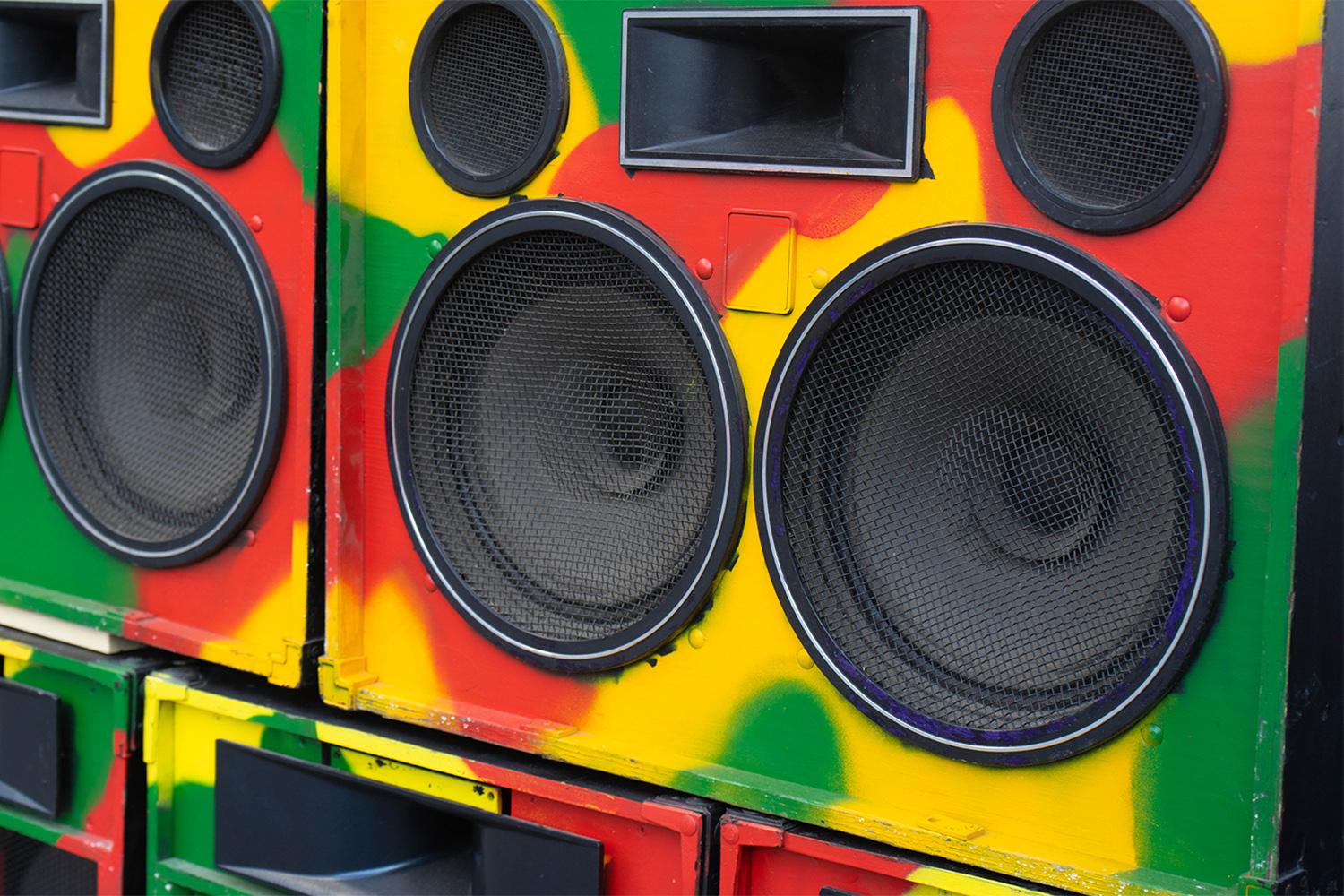
Over two million revellers headed to Notting Hill in London to celebrate Carnival over the August Bank Holiday. Each year, the streets are filled with the sound of roots and dub, reggae drum ‘n’ bass, soca and Calypso. Mas Band drummers and dancers in bright sequins, feathers and headdresses, or JabJab performers in horns and black oil marched down West London streets.
In the 1950s and 1960s, the West London borough was home to many members of the Windrush generation, who settled in Notting Hill from countries across the Caribbean as part of a post-war immigration drive to rebuild England. Despite this, the community faced hostility and discrimination, with race riots erupting in 1959 and the racially motivated murder of a young Antiguan carpenter called Kelso Cochrane.
Carnival began in response these events; to celebrate Caribbean culture and build unity between communities and 60 years later, it is a staple on the London calendar and one of the largest street festivals in the world.
Even so, the press remains critical of its safety. This year, around 9,000 police officers were deployed across the three days and over 600 arrests were made. The intense scrutiny and policing of a traditionally Black and Afrodiasporic event comes as no surprise to Dr Lambros Fatsis, cultural criminologist at City St George’s, University of London.
His research focuses on police racism and the criminalisation of Black and Afrodiasporic music cultures, from the era of colonial slavery to the present day.
Police racism and overreach remain an issue in British society: a report earlier this year found Black children were eight times more likely to be strip-searched than white children.
For Dr Fatsis, this stems from the imperial legacy of the Met police, which is structurally based on militias that patrolled, captured and controlled enslaved people in Britain’s colonies.
In modern times, research has shown repeatedly that neither stop-and-search, nor strip-search stop crime. Instead, they produce racialised harm.
When not teaching or writing, Dr Fatsis is a vinyl lover and deejays under the moniker Boulevard Soundsystem, primarily playing reggae and dub.
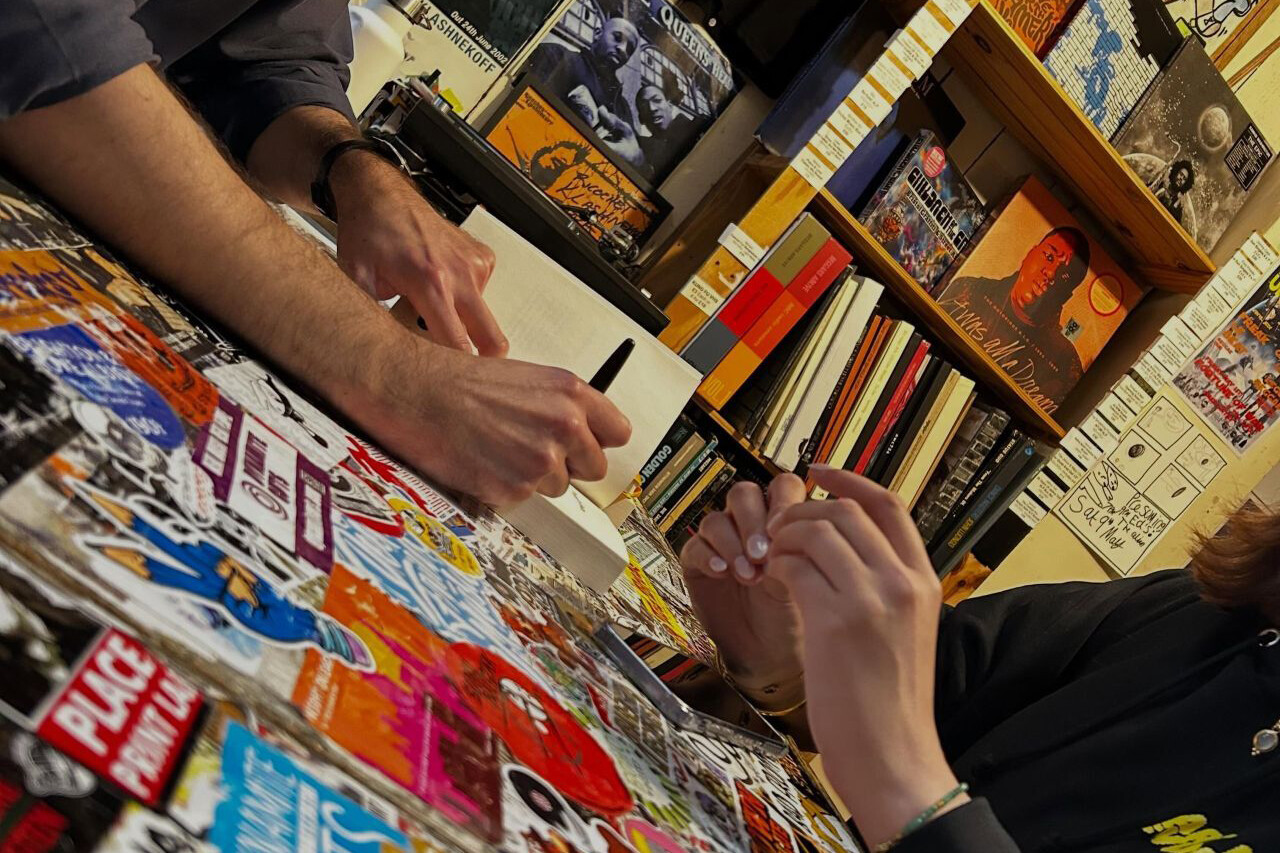
His deep love and knowledge of Afro-Caribbean music feeds into his research into the criminalisation of Black music and art, culminating in his new book Policing the Beats: Black music, racism and criminal injustice (Manchester University Press, 2026). He is a core member of Art Not Evidence, a group campaigning to make it illegal for music lyrics to be used as evidence in courtrooms on the basis that it criminalises an art form.
Dr Fatsis has regularly been called upon to act as an expert witness in criminal trials that use rap and drill music as evidence following a spate of artists being pursued as ‘terror suspects’ in which their lyrics were admitted in court under the Terrorism Act 2000.
This practice accelerated in British courtrooms with the rap subgenre drill, which has origins in trap and gangsta rap, and often features lyrics full of bombastic bravado, taunting and references to gang rivalries.
It continued when last spring, Mo Chara, one member of the Northern Irish rap duo Kneecap, was taken to court under the Terrorism Act 2006 for political chants he made at a music concert.
“Governments should not decide which forms of creative expression are genuinely dangerous,” Dr Lambros argues. “Who governments define as terrorists reveals their own ideological priorities and political agendas rather than neutral objective realities.”
Dr Lambros pointed to the extending powers of the British police system, including the Police, Crime, Sentencing & Courts (‘Policing’) Act, the Public Order Act and the Counter Terrorism Policing definition. Together, this law and definition allow the police to restrict noisy protests, label activism as a form of domestic extremism and allow them to target individuals who have participated in at least two protests within a five-year period.
“We should be very alert to why governments transform human rights and civil liberties into criminal offences using ‘the law’ to threaten fundamental human rights like the right to dissent and protest,” he warns.
He notes the hypocrisy in people sitting down and watching violent movies or TV, whereas if violence is referenced in music by Black artists or artists working within traditionally Black genres, it is sometimes used in court almost as ‘autobiographical confession’.
“Music and racism rarely lead separate lives — however convenient it might be to parcel them out,” Dr Fatsis explains. “While music could be confined to the realm of the arts and racism could equally be contained within the political arena, forms of creative expression and modes of governance frequently trespass into each other’s territory.”
Music then becomes yet another tool to police and control Black and Afrodiasporic communities.
Dr Fatsis hopes readers of his new book will also listen to the music references to gain a holistic understanding of the histories it describes.
“This book couldn’t have been written without my knowledge of this music,” Dr Fatsis says. “My invitation for people to listen to the music referenced in the book is genuine.”