“Some people thought it was quite bold to quit my job and return to university at 30, but it was an opportunity to immerse myself in a community of learning.”
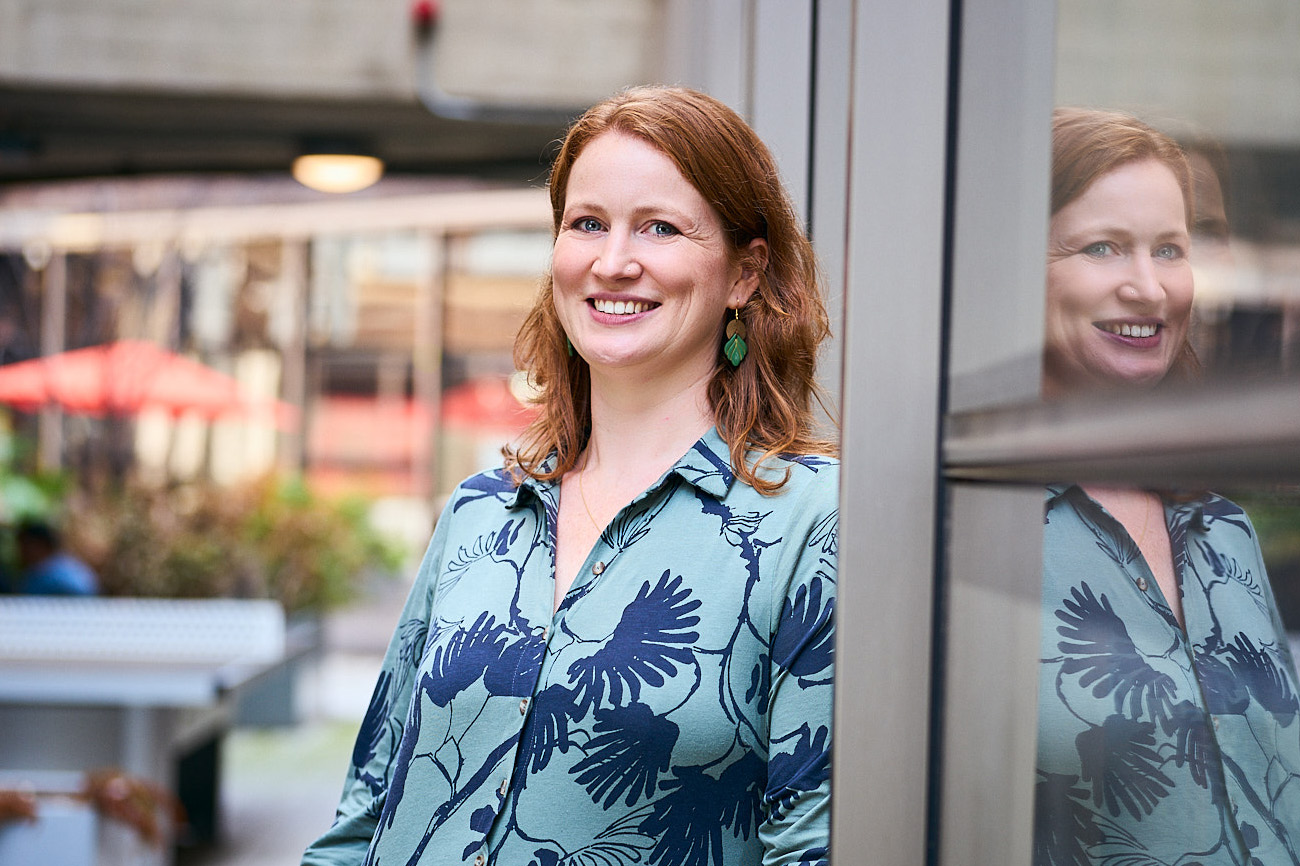
Annabel Beales had worked in construction industry law for nearly a decade before she began her PhD on Indigenous Peoples’ Rights at The City Law School in 2013.
“I feel very grateful City took a punt on me; I was something of a wildcard! I was also fortunate to receive a scholarship – I couldn’t have done it otherwise. I took nearly seven years to finish because I had two children in that time, and my supervisors were so supportive and patient. The PhD changed my career direction, allowing me to follow a path which was more aligned to my values and what I wanted to be working on.”
Today, Annabel is Director, Delivering for Impact, at Business Fights Poverty.
“The organisation is a community of people in businesses, academia and NGOs who want business to behave responsibly and have a positive social impact. How can business help fight poverty? It is not only about how much money people have. It is about poverty in a wider sense, including access to healthcare and education, digital technologies and career progression.”
“We work with businesses across many different sectors, who are often facing similar challenges – there is lots to be gained from learning from each other’s experience and collaborating on shared problems.”
“I lead research collaborations, looking at a wide variety of questions that our member companies want to answer. That has included tackling low wages in supply chains and how businesses can play a role in improving the health of women and girls.”
“At the moment we’re talking a lot about resilience. With climate change and economic uncertainty, resilience is ever-more important. The political headwinds have changed too, so companies are more cautious talking publicly about social issues. Separate from my work with Business Fights Poverty, I volunteer with Business Leaders for Peace, researching what motivates companies to speak up on social issues and how they make those decisions.”
“Despite the pressures, our member companies realise that if the people in your supply chain aren’t secure, you don’t have a resilient business. So the work continues internally. For example, if you sell chocolate, you need to make sure that smallholder farmers can grow good-quality cocoa beans into the future. But climate change is having very demonstrable impacts now. It is still about tackling poverty and inequality, but there has been a slight change in the language used – from talking about sustainable development to resilience.”
“We are also looking at AI ethics and the likely impact on work and opportunities now and in the future, particularly for young people and those with less access to digital technologies. There is already a digital divide, which AI is accelerating even further. So how can we ensure equal access to those technologies?”
“I feel lucky to love the work that I do. There is always a new subject emerging and I get to work with some of the most amazing people who are really committed to their companies having as positive an impact as possible.”
Annabel’s own desire to make a difference saw her stand as a candidate in the local council elections in May.
“I originally signed up to the Green Party last year to do some leafletting! Although business is a big part of the answer to society’s problems, communities and local relationships also have an important role. Part of what led me to stand was wanting to be more engaged with the people that I live alongside. It turned out to be an incredibly close race, massively exceeding expectations.”
“I’m so glad I did it. I had some amazing conversations with people from across the political spectrum. As humans, we have a need to feel deeply listened to, but often that’s not people’s experience. My biggest take-home was that many of us want the same end result: for the world to be a better place and to have hope for the future. It is our ideas about how we get there which differ a lot of the time.”
The current state of the world can make it hard to be optimistic about what lies ahead.
“I do worry about the future, but then I think of all the people who keep holding a good vision for the future and working for it, whether it is people in multinational companies working on human rights like living wages, or neighbours running a community group or lobbying their local councillor.”
“People still care deeply about making the world a better place for themselves, their families and their community. When it all gets a bit much, that is what gives me hope.”